Curriculum Design
Case Study 01
Behavioral Curriculum Architecture
CS01
Project Type
Curriculum system design
Role
Course designer & instructor
Scope
Three-course sequence
Executive Summary
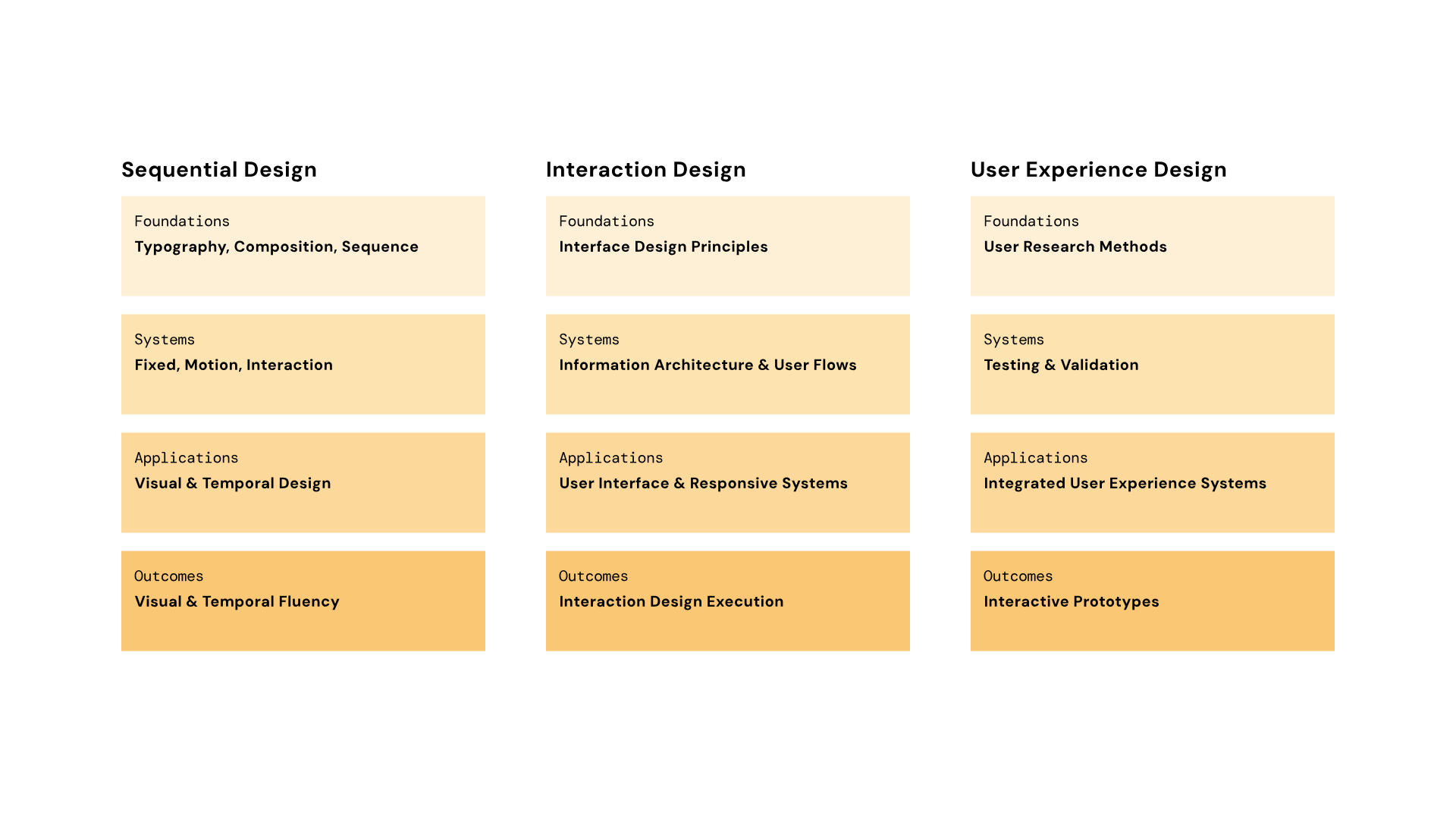
A curriculum architecture that sequences design learning from fixed composition to motion and interaction systems, building toward user experience design.
Framework
Design across modalities
Graphic design education has historically been organized around tools and media. This curriculum reframes that logic, structuring learning around how designers think across time, interaction, and behavior rather than what software they use.
Sequential Design
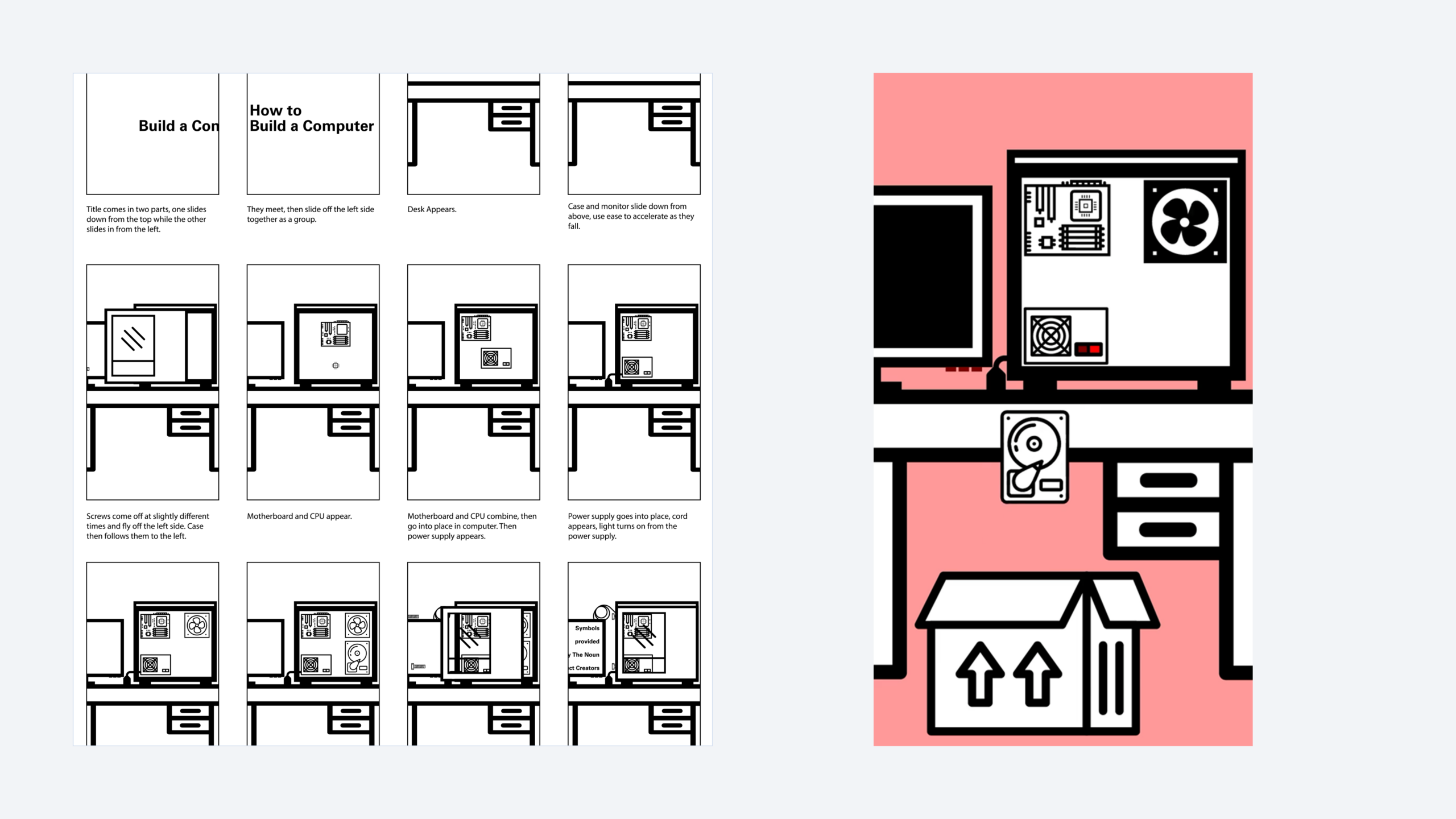
Transitioning from static design to temporal systems
Students explore pacing, rhythm, and narrative through motion-based exercises, translating print layouts into time-based structures.

Interaction Design
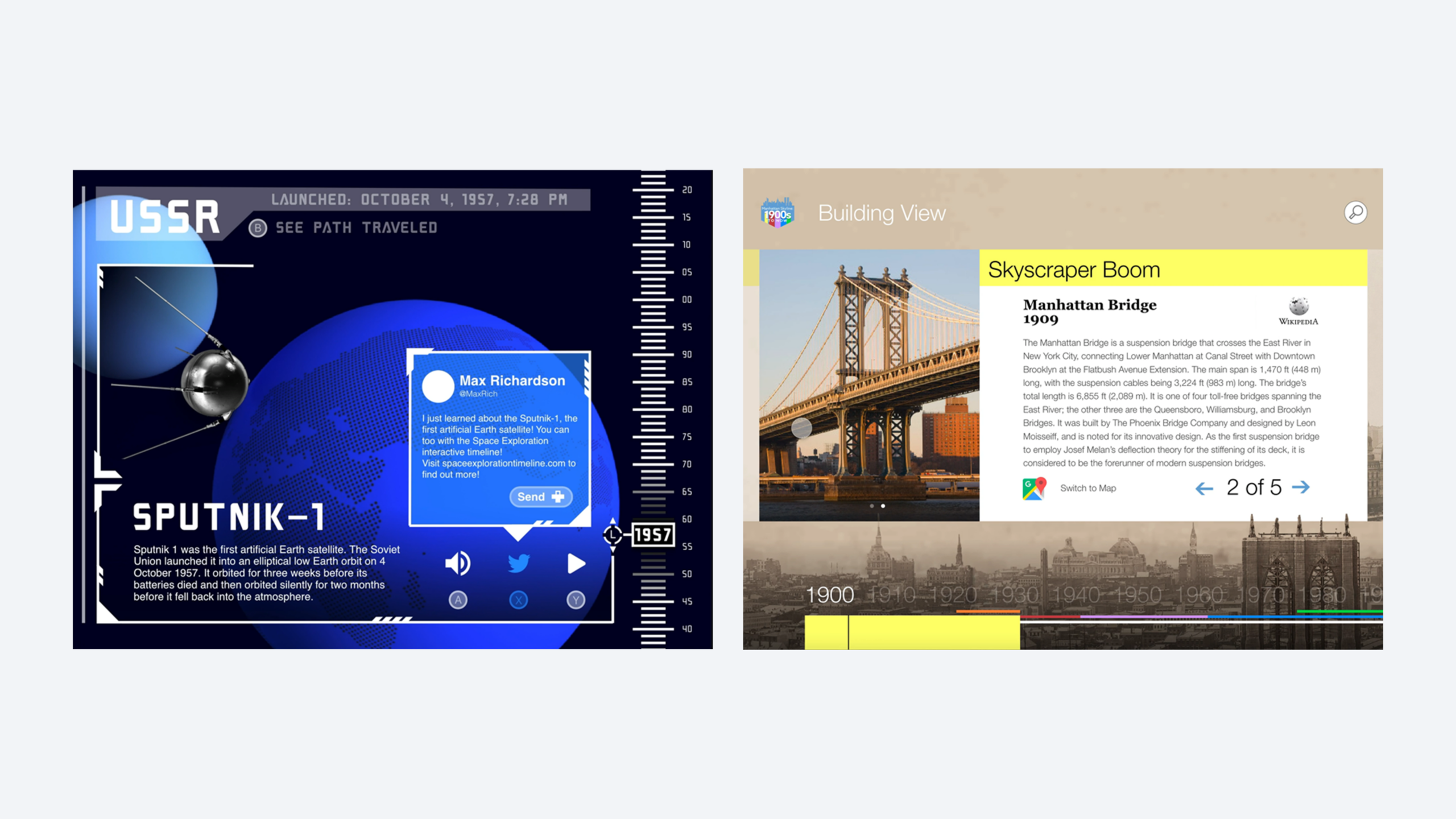
Extending temporal logic into interactive systems
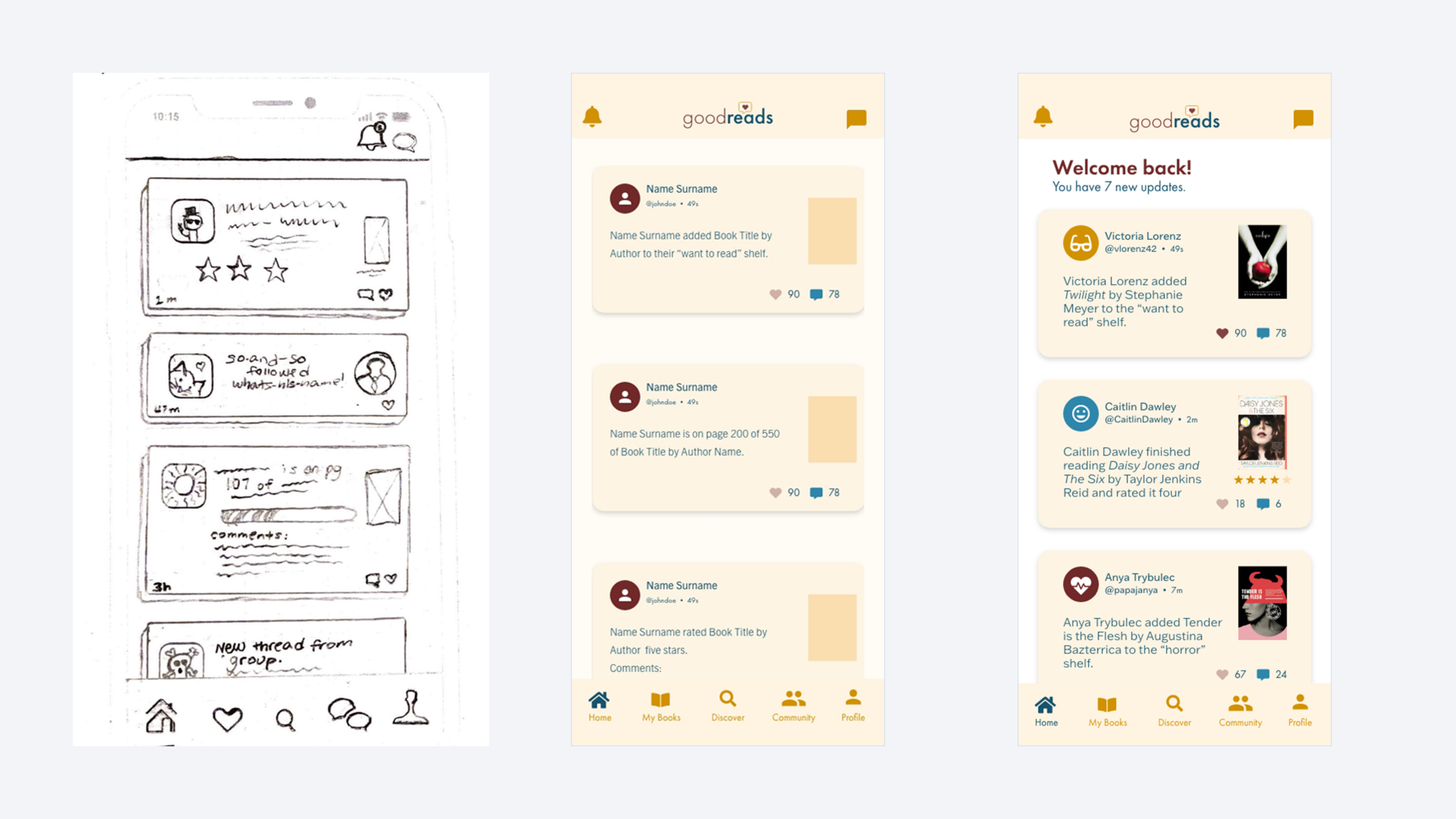
Students develop microinteractions, state changes, and feedback behaviors, transitioning from screen styling to behavioral modeling.
User Experience Design
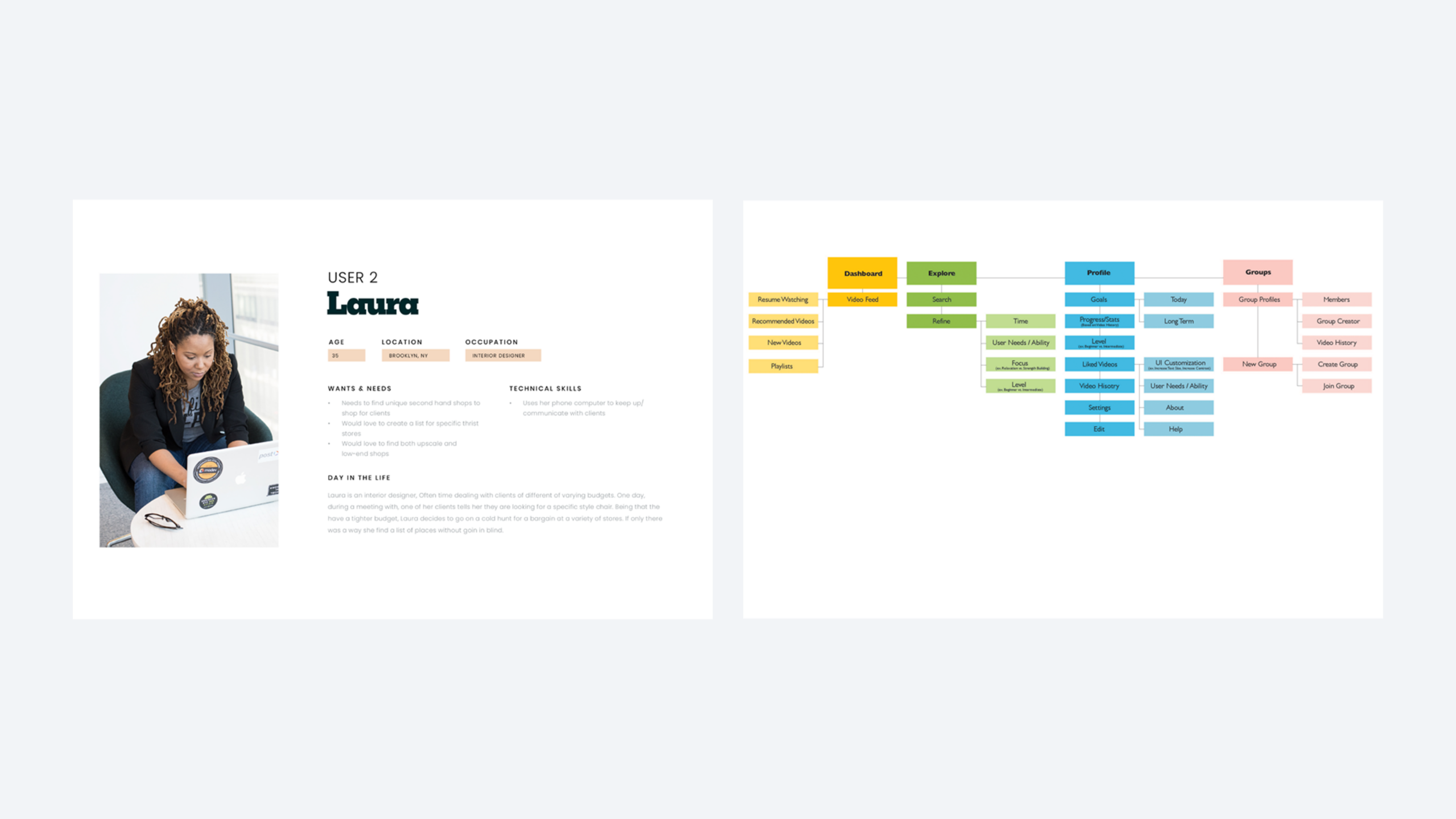
Applying research and testing to full experience systems
Students develop full UX pipelines, from persona modeling and IA through wireframing, usability testing, and interactive prototyping.
Impact
01
Scaffolded progression across fixed, motion, and behavioral modalities
02
Shift from fixed design thinking to behavioral systems reasoning
03
Integrated research and validation across the full sequence.
04
Portfolio-ready UX workflows for graduates entering product roles.
← Deisgn Futures
All Work
UX Studio Learning System →